Scott 3200A Tailwheel – Fully Rebuilt: Durable Tailwheel Steering and Landing Gear Solution
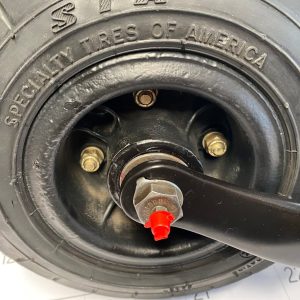
The Scott 3200A Tailwheel – Fully Rebuilt may suit classic airplanes, utility aircraft, bush planes, experimental designs, and other compatible general aviation platforms. A fully rebuilt description should identify which bearings, bushings, springs, steering components, seals, fasteners, wheel parts, and wear items were replaced or retained.
The Scott 3200A Tailwheel Assembly remains relevant for restoration work, scheduled maintenance, worn-component replacement, and ground-handling improvement projects. The Scott Tailwheel Assembly may contain bearings, bushings, springs, steering pawls, arms, wheel components, axle hardware, fasteners, Aviation Tailwheel System and internal wear surfaces.
An Aircraft Tailwheel Assembly supports the rear of a conventional-gear airplane and contributes to directional control throughout ground operations. A properly maintained General Aviation Tailwheel can support predictable directional control and long-term serviceability.
Whether buyers need an Aircraft Tailwheel, Taildragger Tailwheel, or complete Aviation Tailwheel System, model identification and rebuild details should be verified.
Understanding the Scott 3200A Tailwheel
A fully rebuilt Scott 3200A may offer practical value when its identity, condition, rebuild scope, and aircraft compatibility are confirmed. Replacing the tailwheel alone may not correct a wider installation problem.
Scott 3200A Tailwheel Assembly Features
Its mechanical configuration can support directional control during normal taxiing while allowing wider turning movement when required. A rebuilt unit may include inspected housings, renewed bearings, replacement bushings, serviced steering components, fresh lubrication, suitable hardware, and adjusted internal parts.
Scott Tailwheel Reliability and Condition
Worn components should be replaced while retained items should meet suitable inspection criteria. Transparent rebuild information supports stronger commercial credibility and buyer confidence.
Aircraft Tailwheel Assembly Benefits
The assembly should move freely enough for intended operation while avoiding uncontrolled swivel or excessive looseness. Weak, broken, or mismatched steering springs may reduce directional response or create irregular control.
General Aviation Tailwheel Applications
Each operating environment places different demands on the tire, wheel, fork, bearings, steering mechanism, hardware, and lubrication. Experimental aircraft installations should be evaluated according to the builder’s configuration and applicable operational requirements.
Choosing an Aircraft Tailwheel
Its geometry, tire condition, fork alignment, steering arrangement, and internal condition can influence ground behavior. The wheel should rotate smoothly without excessive side play, roughness, binding, or abnormal drag.
Choosing a Taildragger Tailwheel
A Taildragger Tailwheel assists conventional-gear aircraft with directional control during taxi, takeoff, landing, and ramp maneuvering. Pilots should avoid unnecessary mechanical stress while using operating techniques appropriate to the aircraft and surface.
Aviation Tailwheel System Components
A worn tail spring or loose mounting bolt may cause poor tracking even when the rebuilt tailwheel remains mechanically serviceable. Springs should remain free from distortion, corrosion, cracking, broken coils, or unsuitable substitution.
Inspecting Tailwheel Steering Components
The mechanism should respond smoothly without sticking, harsh engagement, excessive delay, uncontrolled release, or irregular centering. Steering arms should be inspected for bending, cracking, corrosion, elongated holes, and wear at attachment points.
Aircraft Ground Handling Tailwheel
A correctly adjusted tailwheel may support smoother maneuvering without excessive brake use. Responsible ground movement protects the Aircraft Ground Handling Tailwheel and surrounding structure.
Benefits of the Scott 3200 Series Tailwheel
Its established design supports servicing, adjustment, rebuilding, and parts replacement by knowledgeable aviation professionals. A visually similar tailwheel may contain important differences affecting installation or operation.
Choosing a Heavy-Duty Aircraft Tailwheel
The tailwheel should match the aircraft’s suitable configuration, tail load, geometry, and operating environment rather than being selected from appearance alone. Durability depends on structural condition, bearing service, steering-spring integrity, wheel alignment, lubrication, tire condition, and correct installation.
Inspecting Tailwheel Aircraft Parts
Correct Tailwheel Aircraft Parts protect the integrity and performance of the rebuilt assembly. A weak spring, worn bushing, rough bearing, damaged pawl, or incorrect fastener may create movement throughout the mechanism.
Choosing an Aircraft Steering Tailwheel
An Aircraft Steering Tailwheel helps direct the airplane during taxi by responding to the rudder-linked steering arrangement. Pilots should use techniques appropriate to the aircraft and avoid unnecessary mechanical stress.
Installing a Replacement Aircraft Tailwheel
A Replacement Aircraft Tailwheel should be selected through exact aircraft application, mounting details, tail-spring configuration, steering arrangement, and suitable technical information. The unit should not be installed solely because it appears clean or freshly refinished.
Inspecting General Aviation Landing Gear Parts
Each component contributes to aircraft support, ground control, steering, braking, or load absorption. The product description should explain whether components are rebuilt, repaired, serviced, inspected, untested, or sold for parts.
Evaluating a Scott 3200A Tailwheel
A detailed inspection reduces uncertainty and supports a more informed transaction.
- Request photographs of the front, rear, sides, wheel, fork, steering arms, mounting area, identification marks, and loose components.
- Inspect the assembly for cracks, corrosion, bending, damaged threads, enlarged holes, fork distortion, tire wear, rough rotation, and excessive looseness.
- Inspect and photograph the assembly immediately after delivery before installation, adjustment, disassembly, lubrication changes, or modification.
Commissioning a Rebuilt Scott 3200A
Installation should be completed by appropriately qualified personnel familiar with conventional-gear aircraft and mechanical tailwheel steering systems. Wheel rotation should remain smooth and centered within the fork.
Pilots should report delayed steering, pulling, vibration, noise, binding, or irregular swivel behavior.
Maintaining the Scott 3200A Tailwheel
Preventive maintenance can identify wear before it develops into shimmy, binding, looseness, poor steering, or component damage. Changes in taxi handling should be documented and reported.
Responsible care supports dependable Scott Tailwheel Assembly performance.
Choosing the Scott 3200A Tailwheel – Fully Rebuilt
The Scott 3200A Tailwheel – Fully Rebuilt can provide a dependable replacement option for compatible aircraft when its rebuild quality, condition, configuration, and documentation are verified. The strongest purchase decision begins with confirming model identity, rebuild scope, replaced components, retained parts, structural condition, tire status, steering arrangement, included hardware, and aircraft compatibility.
Whether the requirement is a Scott 3200A Tailwheel Assembly, Scott Tailwheel Assembly, Aircraft Tailwheel Assembly, or General Aviation Tailwheel, exact installation details should guide the purchase. With careful selection and attention to the complete tailwheel system, owners can reduce shimmy, binding, irregular steering, looseness, and premature wear.